Simplify & Scale Milestone Bonus Programs

Organizations that manage many recurring projects reward progress and results with milestone bonuses. HRSoft helps you track, calculate, and process cash incentive payments tied to project or deal milestones.

Why Use HRSoft for Milestone Bonuses?

Manual, time-consuming milestone tracking processes provide limited visibility to participants, managers, and executives alike. HRSoft replaces these manual processes with a purpose-built milestone bonus engine that automates tracking, calculations, approvals, and communication.

Purpose-Built Milestone Engine

Explicitly designed for project-based milestone programs, HRSoft supports individual and pool-based programs, configurable workflows, eligibility pools and manager allocation worksheets.

Templatized Automation at Scale

Quickly rolloutnew project milestones with minimal intervention and reduced administrative burden and risk.

All-in-One Compensation Platform

Reduce reconciliation effort, eliminate spreadsheet risk, and get unified reporting across programs by consolidating all your compensation programs into one integrated system.

Milestone Bonus Software Features

Run repeatable, project-based milestone incentives while giving finance, managers, and employees the visibility they need.

FLEXIBLE PROGRAM DESIGN

Design Programs Your Way

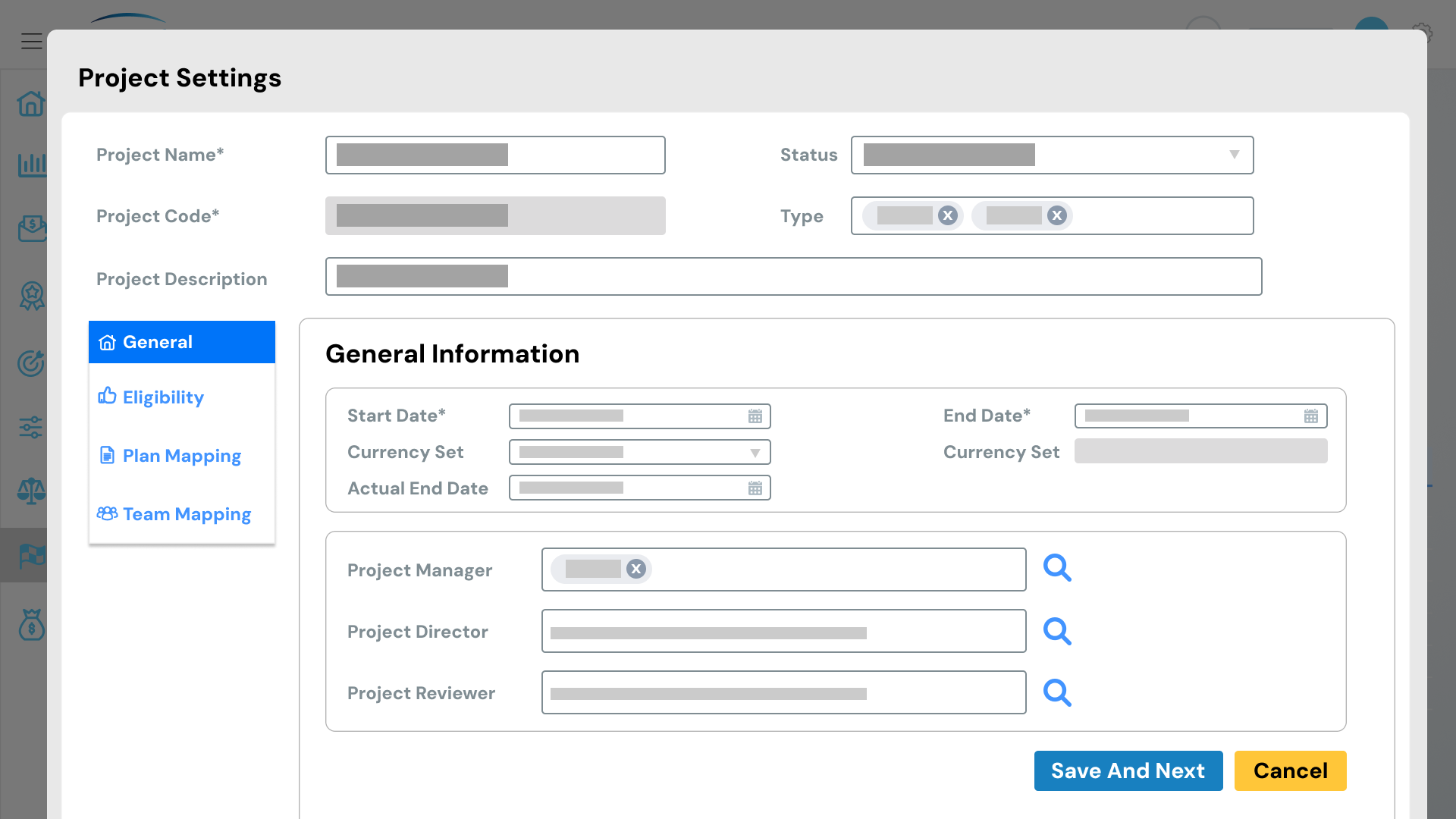
If you’re like most companies, milestone bonus plans are often done differently by each business unit and replicated hundreds of times. HRSoft gives you the flexibility to design incentives based on how your projects, teams, and timelines actually operate, without custom builds or one-off workarounds. Use HRSoft to:
  • Support individual and pool-based milestone programs
  • Launch programs quickly using templated milestone plans
  • Assign milestones across projects, roles, or eligibility groups with ease
AUTOMATED CALCULATIONS

Reduce Calculation Risk

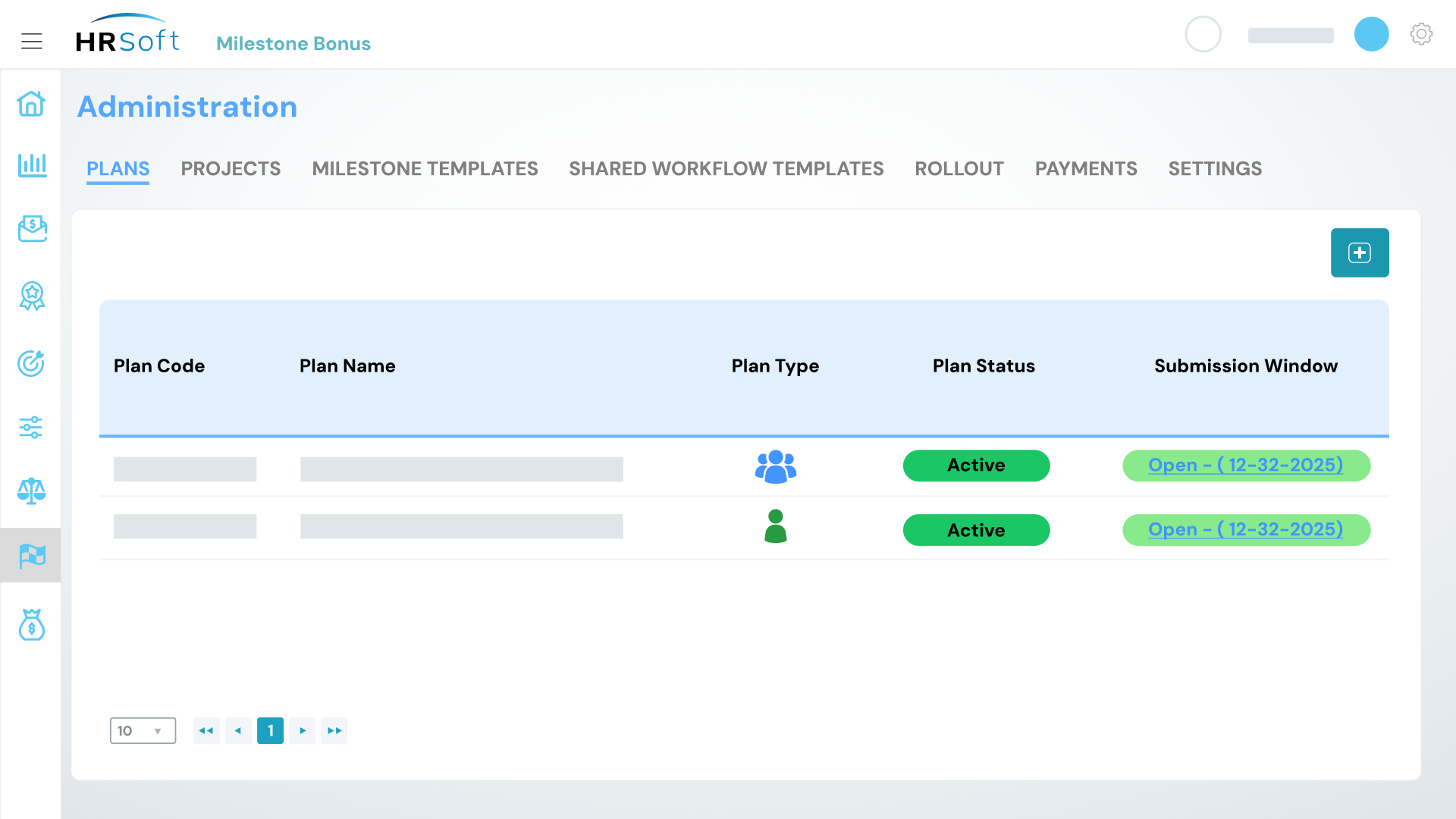
Manual milestone calculations create inconsistencies and unnecessary risk. HRSoft automates the whole calculation process so payouts are accurate, transparent, and repeatable — every time. HRSoft handles:
  • Automated milestone target calculations
  • Performance multipliers and prorations
  • Exception handling for complex or non-standard scenarios
MANAGER TOOLS

Empower Manager Decisions

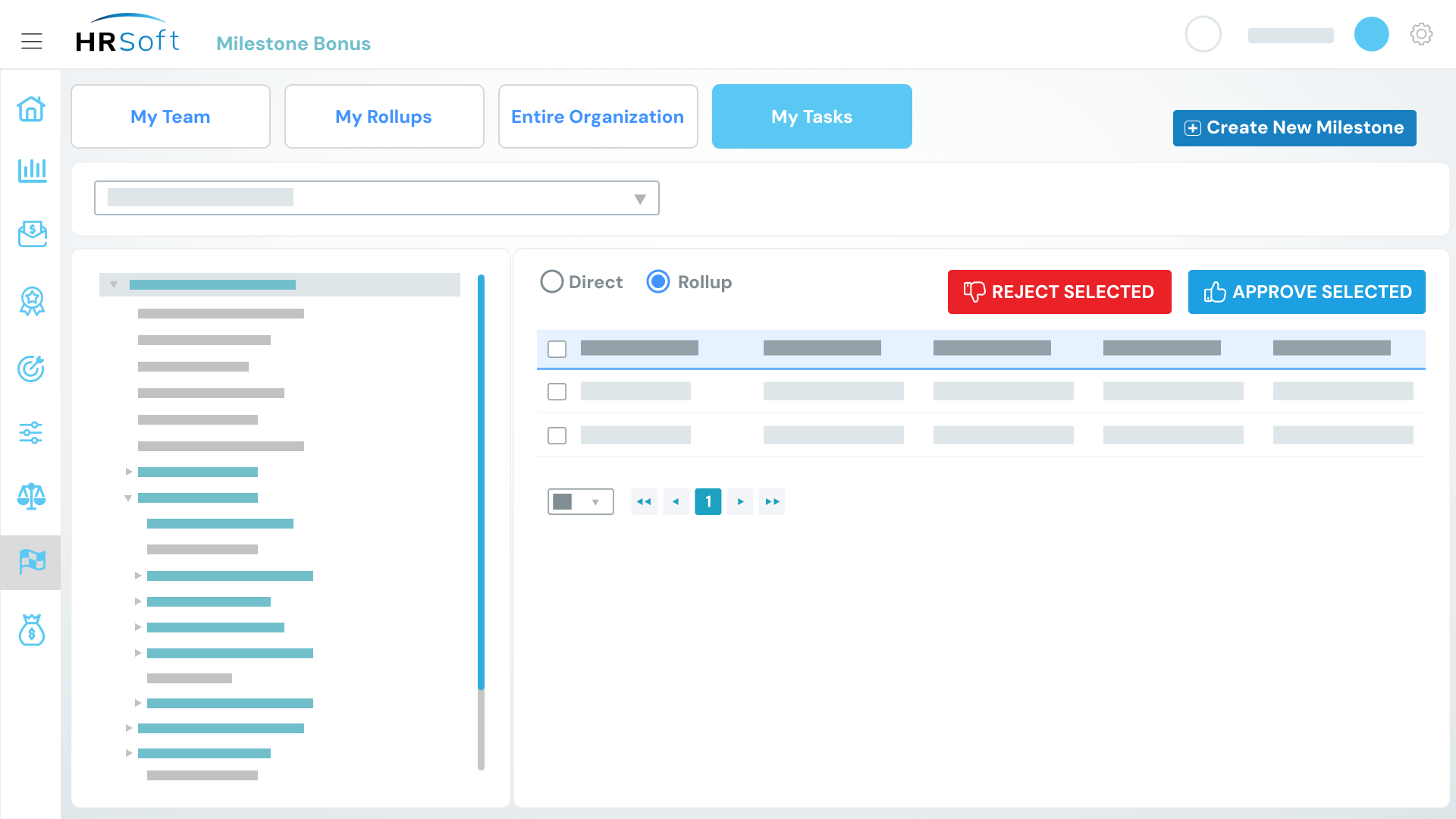
Managers play a critical role in milestone programs, especially in pool-based awards. HRSoft equips them with intuitive tools that guide allocation and approvals while keeping finance in control. Managers and administrators benefit from:
  • Allocation worksheets for distributing pool-based awards
  • Dashboard views to track milestone progress and expected payouts
  • Configurable approval workflows to validate and sign off on bonuses
REAL-TIME EMPLOYEE COMMUNICATION

Improve Employee Transparency

When employees understand how milestones work and where they stand, trust increases and questions decrease. HRSoft delivers real-time communication through a secure employee portal. Employees gain:
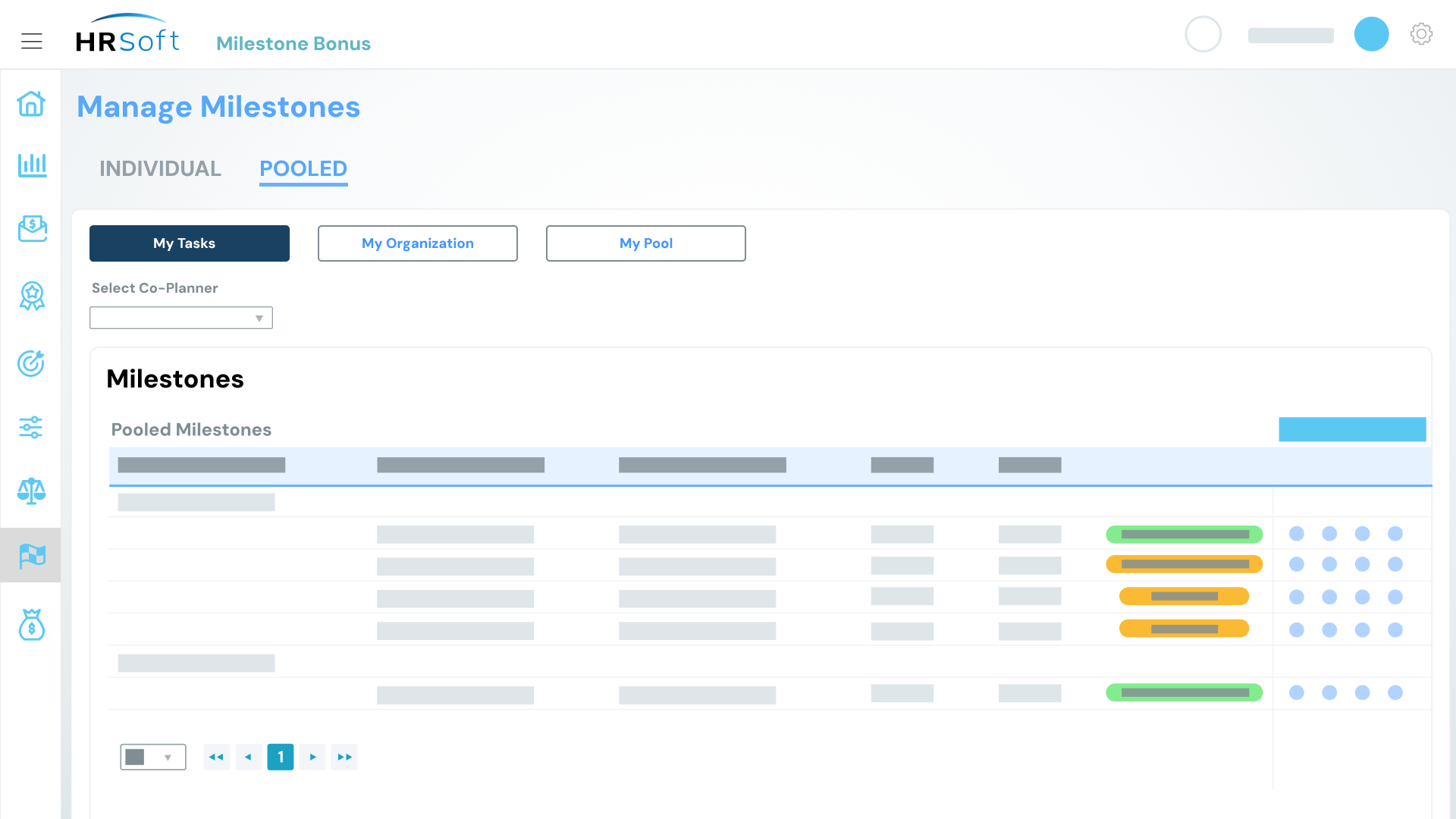
  • Live visibility into milestone progress and earned awards
  • Access to current and historical incentive information
  • A clear, consistent source of truth for milestone bonuses
ENTERPRISE GOVERNANCE & SECURITY

Protect Data Integrity

Milestone bonuses often span projects, teams, and business units. HRSoft provides enterprise-grade controls that protect sensitive data while supporting audit and compliance needs. Built-in safeguards include:
  • Full audit trails for calculations, approvals, and overrides
  • Role-based access controls by user and function
  • Project-level visibility rules to keep business units isolated
TEMPLATES & RAPID PROVISIONING

Accelerate Program Rollouts

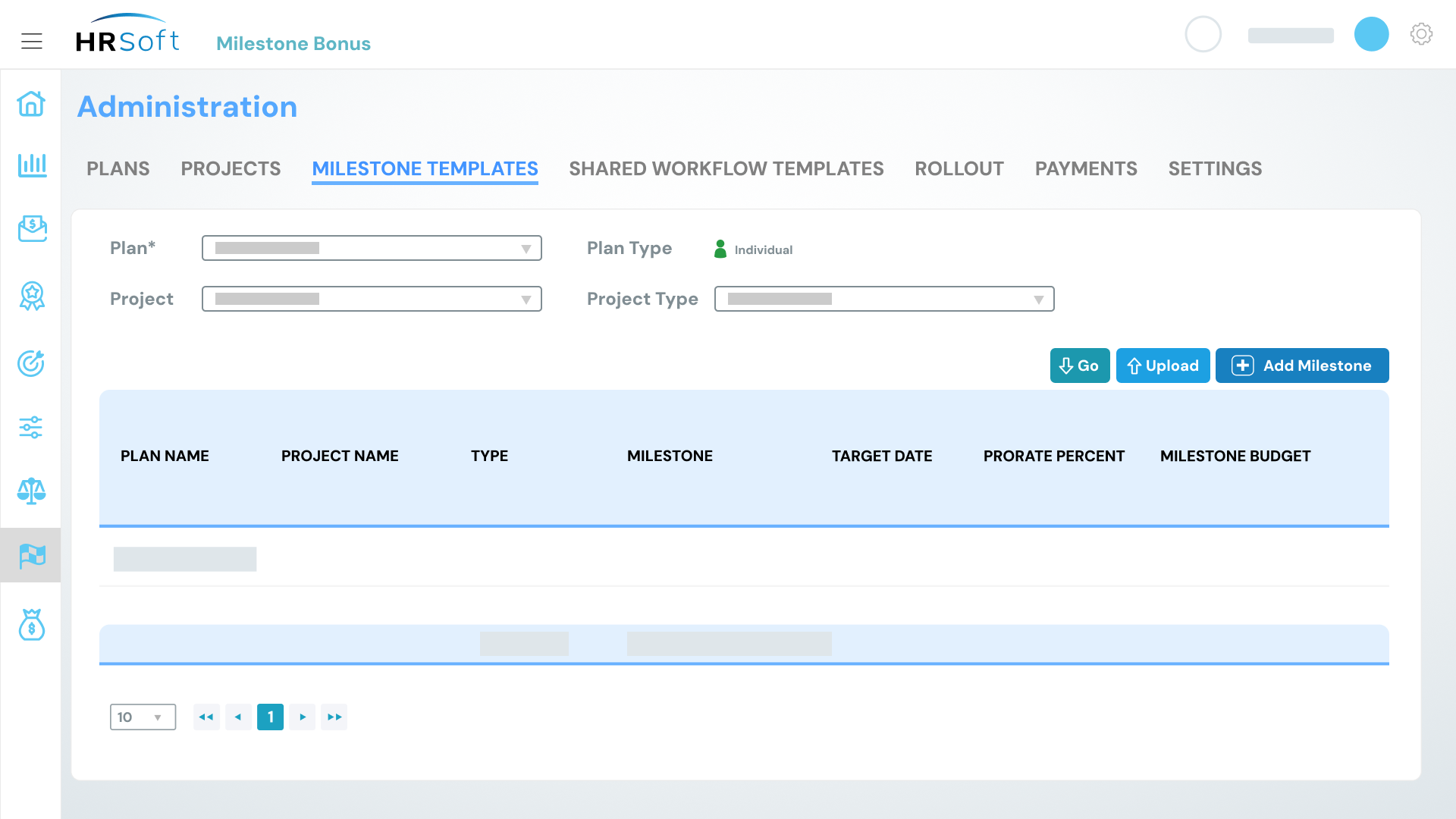
Milestone programs need to scale as projects come online throughout the year. HRSoft’s templated approach enables fast, consistent rollout of new milestone programs while automating repetitive setup, approval, and communication tasks to significantly reduce administrative effort and cycle time. Built-in capabilities include:

  • Configurable project and milestone templates for rapid program setup
  • Flexible approval workflows that support enterprise oversight and timely validation
  • Automated generation and distribution of employee statements

Related Resources

Simplify Complex Compensation Strategies

Give your team the tools they need to make better compensation decisions from day one.

Frequently Asked Questions

Pay-for-performance plans are a kind of pay strategy where an employee is compensated based on their individual performance and the organization’s overall performance. The better the performance, the higher the reward. A pay-for-performance plan typically involves clear objectives, a comprehensive performance process and software to keep track of performance.
The pay-for-performance model incentivizes employees to meet their performance goals by offering a monetary reward, such as a spot bonus. Some models involve benchmarks so that employees earn a higher reward as they reach certain goals. A pay-for-performance model often includes evaluation forms, clear communication, and ongoing coaching and training.
Performance management is a tool corporations leverage to make sure goals are met efficiently and effectively. For example, managers use performance management to measure employees’ performance. In addition, managers provide frequent feedback and communication to help employees reach their goals.
Performance management systems are necessary because they help organizations meet their goals. Organizations can reach their objectives when employees, resources, and systems are properly aligned. But to accomplish this, managers need to communicate the goals to employees so everyone knows their part in the process.
The performance management process is the system in which a manager and employee collaborate to determine how the employee’s objectives contribute to the organization’s overall goals. The process includes planning, tracking and assessing the employee’s work goals. Through this approach, the employee feels empowered and engaged with their work.
To successfully introduce a performance management system to an organization, start from the top down. First, educate your managers about the system’s purpose and tell them when to expect the rollout to employees. Then inform employees about the solution and explain how it benefits them. Throughout this process, make sure to allow for questions and concerns so you can adequately address them before rollout.
Performance management software is a solution that aims to boost an organization’s performance by fostering employee productivity. It allows teams to manage feedback, goals and performance collaboratively. The result is that employees feel valued and heard, which drives engagement and productivity.
Performance management is important because it helps organizations remain profitable and retain employees. An organization can only meet its goals and objectives when employees are on the same page and work together to achieve desired outcomes. That’s why organizations incentivize employees to meet their individual goals. And when employees are recognized for their hard work, they are happier and more engaged, which increases the likelihood of them staying with the organization.
There are various methods for measuring performance management: a numeric rating system, self-evaluations and peer reviews. Implementing a numeric rating system gives managers and employees an easy way to score how an employee is performing. Self-evaluations allow employees to reflect on their individual performance. And peer reviews give insight into how fellow workers view an employee’s performance.